
What to Pack for Assisted Living (and What the Community Might Already Have)
One of the questions we hear most often from families in Naperville, Wheaton, and Glen Ellyn isn’t “which community is right?” — it’s “what do we actually need to bring?”
It makes sense. Moving a parent or spouse into assisted living feels nothing like a normal move. The apartment is smaller. The timeline is often faster than anyone planned for. And nobody wants to show up with three truckloads of furniture that won’t fit through the door — or worse, forget the one thing that would have made the first night feel like home.
Here’s what we’ve learned from walking families through this, room by room.
Start With What the Room Already Has
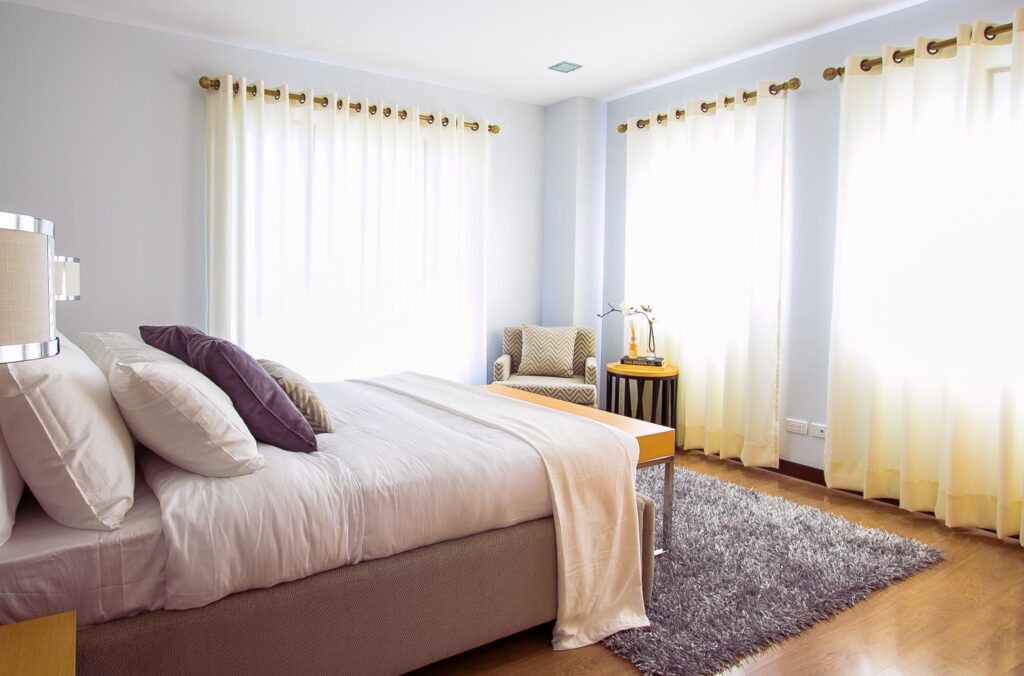
Before you pack a single box, ask the community directly what’s included. This varies more than people expect, and it changes everything about your packing list.
Some communities in the western suburbs may provide:
- A dresser and nightstand
- Basic window treatments
- Sometimes a small refrigerator or microwave, depending on the community and care level
If the community provides the bed frame, you don’t need to bring one — just bedding that fits it. If they provide a dresser, you’re bringing clothes, not furniture. This single phone call can save a family an entire weekend of unnecessary logistics.
What Families Typically Bring
Once you know the blank slate you’re working with, most families end up packing some version of this:
Furniture (if not provided)
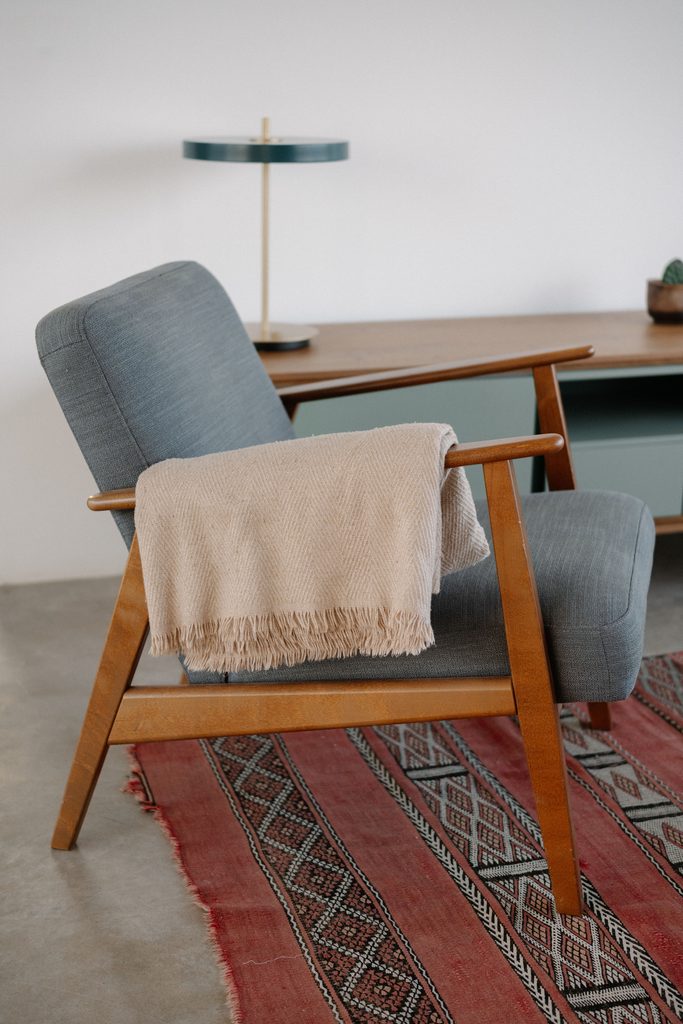
- A comfortable recliner or favorite chair — this is almost always the first thing people ask for
- A small side table
- A lamp with a familiar feel, not institutional lighting
Personal comfort items
- Their own pillow and a couple of favorite blankets
- Photos, framed and ready to hang or display — this matters more than almost anything else in the first week
- A few pieces of art or décor that make the space feel like theirs, not a hotel room
Practical essentials
- Clothing suited to the season and the community’s laundry setup
- Toiletries and a few weeks’ supply of any personal care items not provided
- Medication list and a few days’ supply for the transition, even if the community will manage medications going forward
- Phone or tablet, charger, and any hearing or vision aids clearly labeled
The small stuff that makes a difference
- A clock with large, visible numbers
- A calendar, especially for someone who likes to track visits and activities
- A favorite mug, blanket, or small object that’s been part of their daily routine for years
What to Leave Behind
This is often the harder conversation. Space is limited, and bringing too much can make a room feel cluttered rather than comforting. We generally suggest leaving behind:
- Large furniture pieces that won’t fit through standard doorways
- Valuables or sentimental items that would be devastating to lose or misplace
- Duplicate items — one favorite chair, not two options to choose from later

Ask the Community These Questions Before You Pack
- What furniture is included in this specific apartment or room?
- Are there restrictions on wall-mounting, hanging photos, or bringing personal furniture for safety reasons?
- Is there a laundry service, or should we plan for a certain type of clothing?
- What’s the process if we bring something that doesn’t work out — can it go home with a family member?
Why This Matters More Than It Seems
We’ve sat with families who spent so much energy on the clinical side of a move — paperwork, care plans, funding — that the actual physical move became an afterthought. But that first walk into a new room matters. Seeing a familiar chair, a wall of photos, or a favorite blanket on the bed can turn an unfamiliar space into one that feels like home within days, not months.
If you’re in the early stages of figuring out what a move might look like — including what a specific community provides — that’s exactly the kind of detail we help families sort through every day across DuPage County and the western suburbs.
Have questions about a specific community’s move-in process? Give us a call at 630-604-8928 — we’re happy to walk through it with you.